By Admin Northstar
•
April 8, 2026
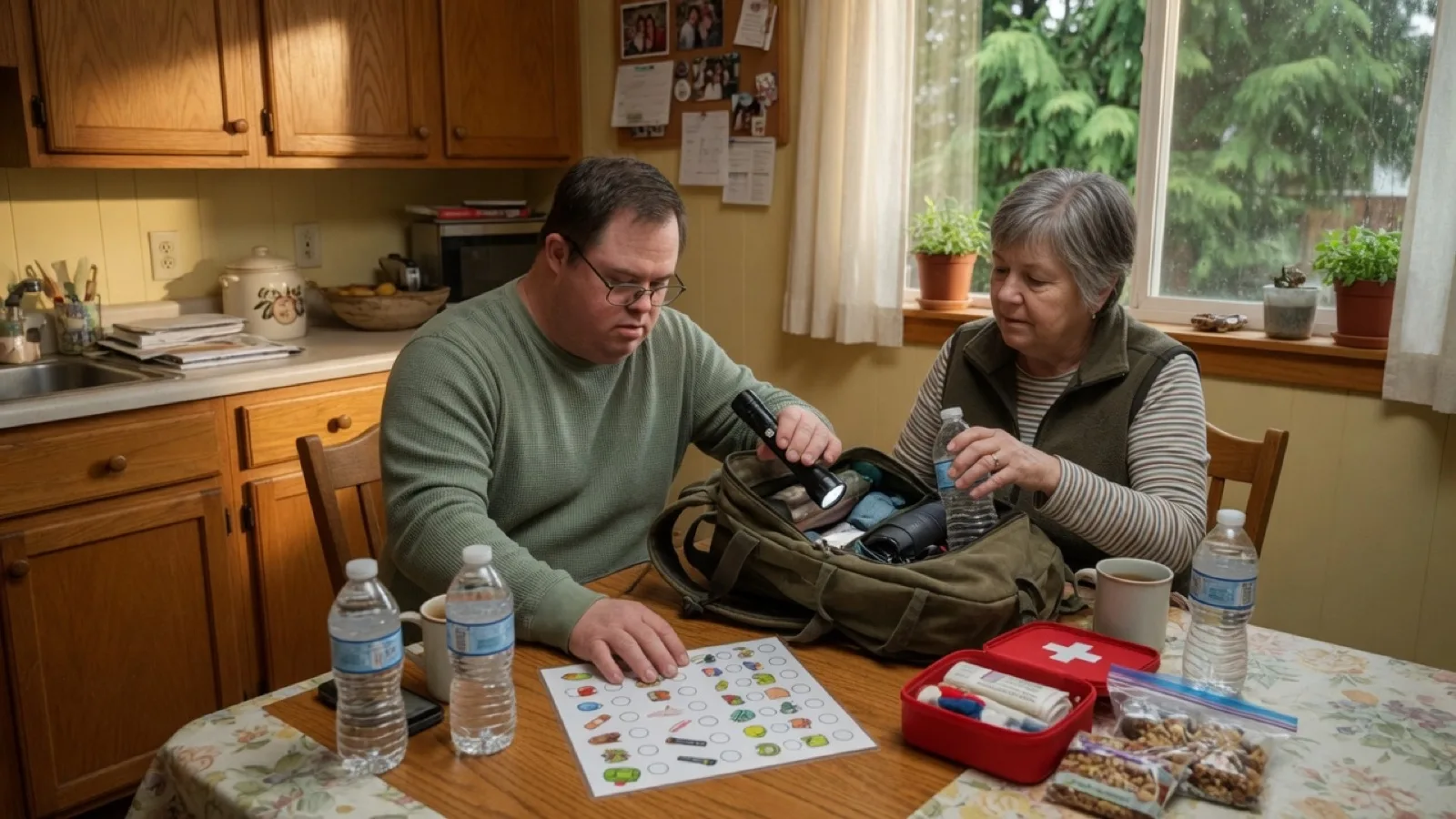
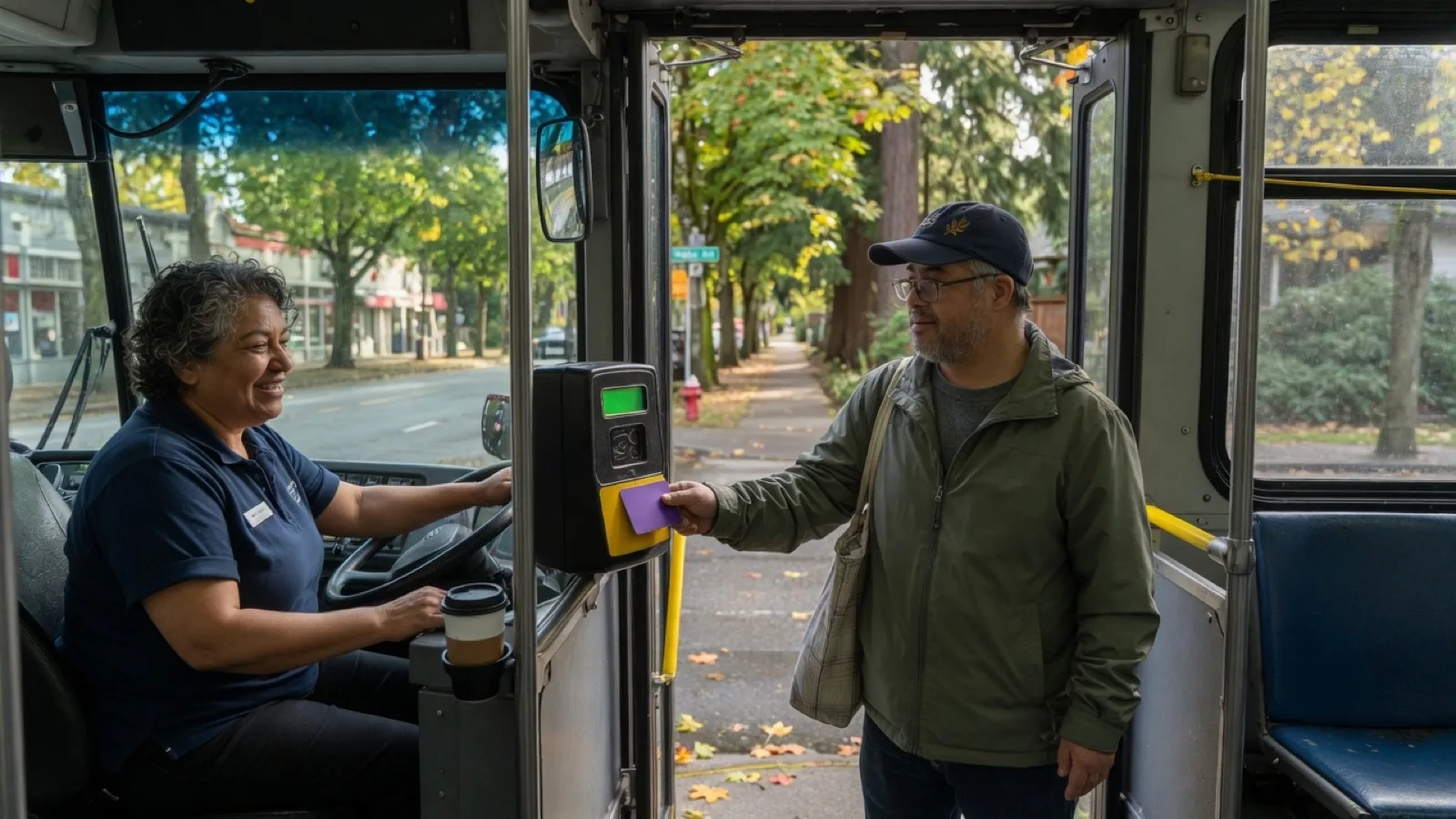
For many families in Oregon, the years between ages 18 and 21 bring one of the biggest transitions in their child's life — the move from school-based supports to the adult disability services system. After more than a decade of IEP meetings, classroom routines, and the predictable rhythm of the school year, the road ahead can feel uncertain. The structures change. The acronyms change. The people you've trusted for years are no longer part of your weekly life. If your son or daughter is approaching this transition, take a deep breath. You are not behind, and you are not alone. With the right preparation and the right partners, the transition from school to adult services can become an exciting next chapter, full of new opportunities for growth, connection, and independence. This guide walks Oregon families through what to expect, what to plan for, and how to make the most of the transition years. When Does the Transition Begin? In Oregon, transition planning is required to begin by age 16 as part of your child's IEP — but most families benefit from starting the conversation even earlier. The reason is simple: the adult system works very differently from the school system, and there is much to learn. In school, services are an entitlement. Once a student qualifies, supports are planned and delivered automatically through the district. In the adult world, services are eligibility-based and self-directed. Families need to apply, choose providers, and actively coordinate care. The shift from "the school handles it" to "we drive it" can be jarring without preparation. A good rule of thumb: by age 14, start learning the language. By age 16, begin formal planning. By age 18, have an adult services intake completed. By age 21, the school exit should feel like a handoff — not a cliff. Step 1: Connect with Your Local CDDP or Brokerage Adult disability services in Oregon are coordinated through two types of agencies depending on the level of support an individual needs: Community Developmental Disability Programs (CDDPs) serve individuals who need comprehensive support and are typically county-based. They handle eligibility determination, service coordination, and case management for both children and adults with intellectual and developmental disabilities. Support Service Brokerages serve adults (18+) who live in their own home or family home and need less intensive supports. Brokerages help individuals direct their own services and manage their support budgets. If your child is already receiving services through a CDDP as a minor, you likely have a Services Coordinator who will continue to work with you through the transition. If not, contact your county's CDDP to request an intake. The earlier this happens, the more options you'll have when planning begins in earnest. Step 2: Understand the Funding — K Plan and Waivers Adult services in Oregon are primarily funded through Medicaid, specifically the Community First Choice State Plan (also known as the K Plan) and the 1915(c) waivers. These programs pay for in-home attendant care, day support activities, employment supports, residential services, and more. To access these benefits, an individual must: Be enrolled in the Oregon Health Plan (Medicaid) Be determined eligible for I/DD services through the local CDDP Have a current Individual Support Plan (ISP) that identifies needed services Be assigned an annual budget through the Oregon Needs Assessment (ONA) The transition years are the perfect time to make sure all of this paperwork is in order. Medicaid eligibility for individuals with disabilities does not automatically follow them into adulthood — at age 18, many young adults must reapply as their own household, even if they still live with parents. Missing this step can cause gaps in coverage right when they're needed most. Step 3: Build the Adult ISP The Individual Support Plan, or ISP, is the heart of adult disability services in Oregon. It replaces the IEP as the central planning document for your son or daughter's life. Where the IEP focused on educational goals, the ISP focuses on the whole person — what they want their life to look like, where they want to spend their days, who they want to be around, and what support they need to make it happen. The ISP is built through a person-centered planning process led by the Services Coordinator, with input from the individual, family members, providers, and anyone else the individual wants involved. The plan typically covers: Daily routines and preferences Goals for community participation, employment, and skill development Specific services authorized (in-home attendant care hours, day support, employment, etc.) Health and safety considerations Risk assessments and emergency plans Families often find the first ISP meeting overwhelming. Our advice: come prepared with a vision. Even a simple list of "things our family member loves," "things they want to try," and "things they need help with" can transform the meeting from a checklist exercise into a meaningful planning conversation. Step 4: Choose the Right Service Providers Once your loved one is eligible and the ISP is in place, it's time to choose the providers who will deliver those services. This is one of the most important decisions families will make, and it deserves real time and thought. For young adults aging out of school, two types of services tend to be most relevant in the early years: In-Home Attendant Care provides one-on-one support in the home and community. This service helps with personal care, daily living skills, supervision, and community participation. For families where a parent has been the primary caregiver, attendant care can also be a way to formally compensate that work — Oregon allows parent-caregivers to be hired as direct-employment staff in many situations. Day Support Activities (DSA) provide structured, community-based programming during the day. Think of it as the adult-life equivalent of a school day — but designed around interests, skills, and community inclusion rather than academics. Good DSA programs offer art, recreation, volunteering, fitness, social outings, and skill-building tailored to each participant. When you're evaluating providers, ask: Are your staff direct W-2 employees, or contractors? (W-2 models tend to mean better training, accountability, and continuity.) How do you involve individuals and families in planning activities? What does a typical day look like in your DSA program? How do you handle behavior support, medical needs, and emergencies? What is your staff turnover rate? Can we visit and observe before enrolling? Trust your instincts. The best provider is the one whose values, communication style, and program design match what your family member actually needs. Step 5: Plan for Life Beyond Services Services are a crucial piece of the puzzle, but they are not the whole picture. The transition years are also a chance to think bigger about adult life: Health care: Has your loved one transitioned from a pediatrician to an adult primary care provider? Are specialists in place? Legal matters: Do you need to consider guardianship, supported decision-making, or a power of attorney? An attorney experienced in disability law can help you choose the least restrictive option. Financial planning: Look into ABLE accounts, Special Needs Trusts, and Social Security benefits like SSI. These tools can protect eligibility while building financial security. Housing: Where will your loved one live in five years? Ten? Even if the answer is "with us, for now," it's worth starting the conversation about long-term options. Connection: What does community look like for them? Friends, faith communities, hobby groups, teams — these matter as much as any formal service. You Don't Have to Figure This Out Alone The transition from school to adult services is one of the most significant moments in a family's journey, and it's also one of the most well-supported when you know where to look. Services Coordinators, brokerage personal agents, advocacy organizations, and experienced providers are all part of the network that exists to help families navigate this season. At North Star Oregon, we walk alongside families across the Willamette Valley as their loved ones step into adult life. Whether you need in-home attendant care, day support activities in Albany, Corvallis, Eugene, Springfield, Salem, or Tangent, or simply a friendly conversation about what comes next, we're here to help. Ready to Talk About What's Next? If your son or daughter is approaching the transition years — or already past them and looking for the right adult services partner — we'd love to connect. Reach out to North Star Oregon to learn more about our In-Home Attendant Care and Day Support Activities programs, and how we can support your family's next chapter.